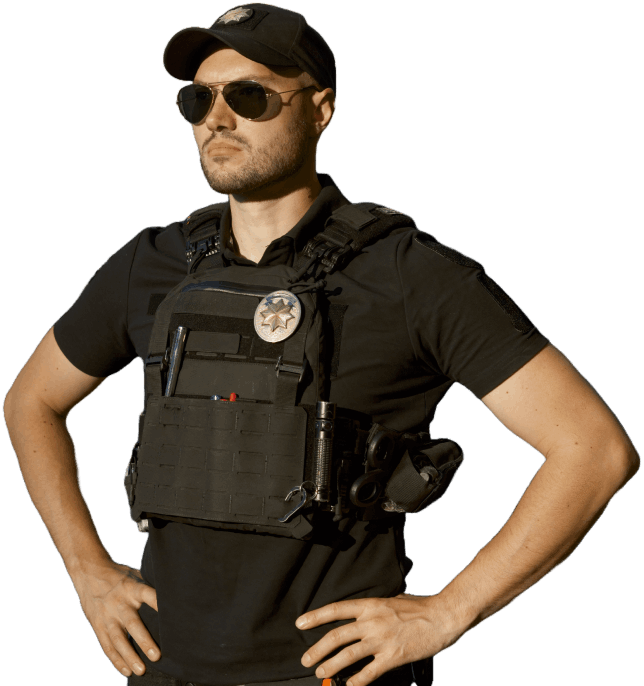

How Security-Led Transport Protects High-Value Business Assets
Moving high-value assets is often the riskiest moment in their life cycle. Equipment, stock, documents and samples that are normally locked away on secure sites suddenly have to travel on public roads, through busy industrial estates and into unfamiliar premises. A purely “courier-style” approach is rarely enough. That is where security-led transport comes in.
Security-led transport treats every movement as a managed risk, not just a delivery. It combines professional security standards with practical logistics so that valuable items arrive where they should, when they should – without unnecessary exposure.
Understanding The Risks During Movement
Assets are most vulnerable when they are:
- Being loaded or unloaded
- Stationary in traffic or at service areas
- Left briefly unattended during handovers
- Transferred between drivers, contractors or sites
At these points criminals may target vehicles or attempt opportunistic theft. There is also the risk of accidental loss, damage or mis-delivery if items are not properly labelled and documented. Security-led transport addresses each of these risk points systematically.
Planning And Risk Assessment Before Every Movement
A security-led approach starts with planning, not just booking a vehicle.
Before a movement, a basic risk assessment should cover:
- The nature and value of the assets being moved
- Any sensitivities – for example, confidential documents or easily re-saleable items
- Collection and delivery locations, including access and local risk profile
- Preferred timings, considering daylight, traffic and site opening hours
- Any known threats or recent incidents affecting those routes or areas
From this, a sensible plan is created: which vehicle to use, how many operatives are required, what equipment is needed and whether any additional measures (for example, two-person crews or staggered movements) are appropriate.
Vetted, Trained Staff – Not Just Drivers
Security-led movements rely on people who understand both security and customer service. They are not simply drivers tasked with getting from A to B.
Vetted operatives are:
- Background-checked and referenced in line with industry standards
- Trained in conflict management, lone working and situational awareness
- Briefed on the specific nature of the load, including any safety considerations
- Clear about procedures for delays, breakdowns or suspicious activity
Because they understand the rationale behind the controls, they are more likely to follow them consistently – from locking vehicles during short stops to keeping conversations about the load discreet.
Secure Vehicles And On-Board Technology
The choice of vehicle has a direct impact on security. A security-led provider will use commercial vehicles that are appropriate for the task and kept in good condition.
Key features often include:
- GPS tracking – allowing coordinators to monitor location, route and dwell times in real time
- Appropriate load spaces – such as bulkheads separating cab and cargo, lockable doors and internal anchor points
- Regular maintenance – reducing the risk of breakdowns in vulnerable locations
Tracking data is valuable not only during the journey but also after the event, demonstrating that agreed routes and timings were followed.
Chain-Of-Custody And Documentation
For many high-value movements, being able to show who handled an item, and when, is as important as the physical journey itself. A clear chain-of-custody protects both the client and the provider.
Good practice includes:
- Recording collection and delivery details, including names, times and signatures
- Using unique references, seal numbers or asset IDs on paperwork and labels
- Photographing loads where appropriate before departure and on arrival
- Logging any breaks in the journey, such as fuel stops or planned overnight holds
If something is questioned later, this documentation makes it far easier to demonstrate that the movement was handled properly and to pinpoint where any issue may have occurred.
Route Planning, Discretion And Operational Discipline
Security-led transport pays attention to the details that criminals often exploit.
This can include:
- Avoiding predictable patterns where possible, such as always moving particular items at the same time on the same day
- Choosing routes that minimise time spent in known problem areas or isolated lay-bys
- Limiting branding or external information that advertises what the vehicle is carrying
- Using sensible stopping policies – for example, no casual stops within a certain distance of collection or delivery points
Operational discipline – locking vehicles when unattended, keeping doors closed in public places, and not discussing loads with strangers – is simple but powerful.
Insurance, Compliance And Peace Of Mind
Insurers increasingly expect organisations to demonstrate that they are managing risk when moving high-value items. A security-led approach:
- Shows that movements are planned and documented
- Reduces the likelihood of claims through loss prevention
- Supports compliance with any conditions in policies or contracts
If an incident does occur, the combination of tracking data, chain-of-custody records and clear procedures provides a strong foundation for investigation and resolution.
When To Use A Security-Led Provider
Not every delivery needs security input, but certain scenarios benefit from it strongly, such as:
- Moving high-value equipment between sites or to new premises
- Transporting sensitive documents, media or samples
- Clearing sites during closure or refurbishment
- Supporting incident response or recovery activities
In these situations, partnering with a specialist security-led transport provider can be more effective than trying to bolt extra precautions onto a standard courier service.
Conclusion
High-value business assets deserve more than a basic “pick up and drop off” service. Security-led transport recognises that movement is a moment of risk and manages it accordingly – through planning, vetted staff, secure vehicles, real-time tracking and robust documentation.
For organisations that depend on critical equipment, confidential information or valuable stock, this approach does more than protect assets. It protects reputation, supports compliance and provides confidence that essential movements will be completed safely, reliably and professionally every time.